house coffee
Skip to product information
1 of 3

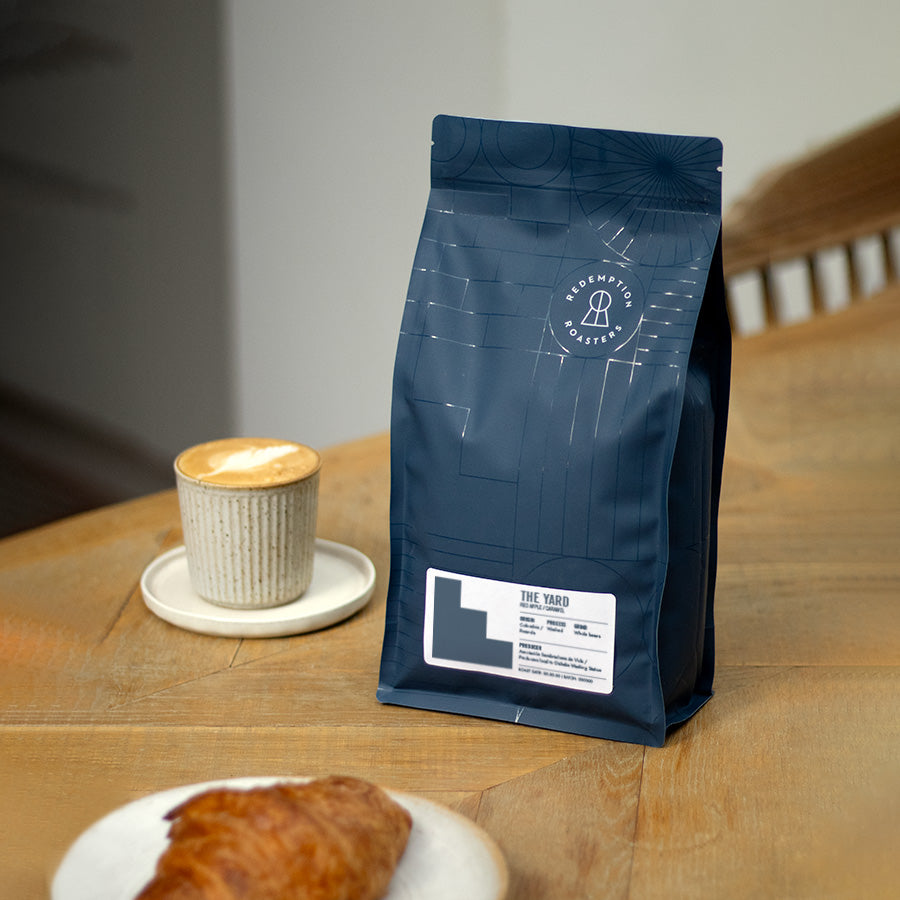
The Yard

The Yard

Regular price £9.90
Regular price Sale price £9.90
Sale Sold out
Tax included.
  • Guatemela
  • Kenya

Apple, Caramel

This edition of The Yard features coffee from Guatemala and Kenya. As espresso you will find this coffee is incredibly juicy, yet with milk you will be getting notes of brown sugar and a honey mouthfeel.
Icon 1
Region
Icon 2
Varietal
Icon 3
Elevation
Icon 4
Producer
Icon 5
Process

HuehuetenangoCaturra, Catuai1700-1900 maslSmall female producers of HuehuetenangoWashed

Inoi Farmers' Cooperative SocietySL28, SL34, Ruiru 11, and Batian1650 - 1850 maslKerugoya town, Kirinyaga CountyWashed

View full details
house coffee
Skip to product information
1 of 3

ABOUT

The Yard is seasonally blended to hit notes of red apple and caramel all year round

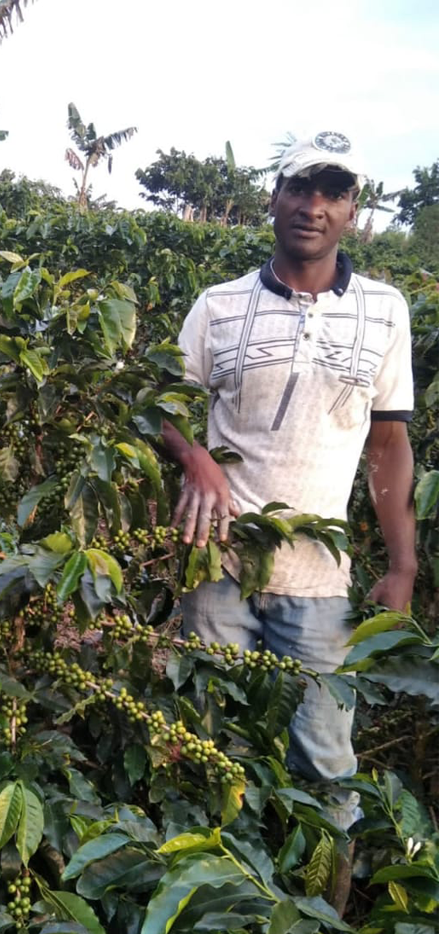
The Guatemalan component, Primavera Sisterhood, comes from select female producers in Huehuetenango. 2025 is our second year purchasing from this community and supporting this initiative.

Gender equity is a longstanding challenge for the coffee industry; female coffee growers have less access to land, credit, training, and basic education even though women make key contributions to plant care, harvesting, and processing coffee. Research has shown that when women are empowered to make decisions, including financial decisions about their coffee farms, families and communities are more successful and their needs are better met.

We are proud to support this community as it hits one of our key sourcing pillars: Female Economic Empowerment.

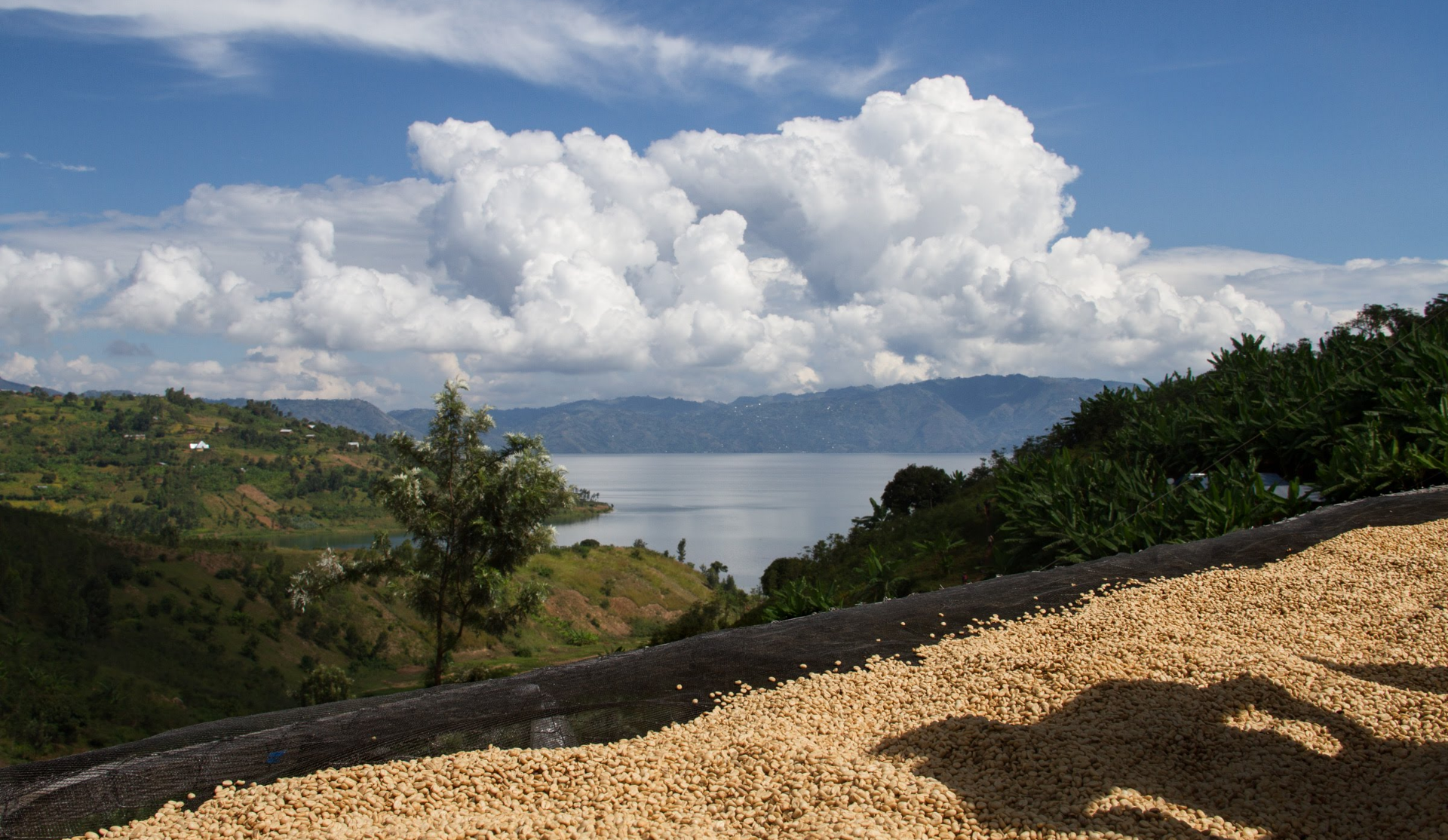
The Kenyan component is sourced from the Inoi Farmer's Cooperative Society. Kianderi is a washing station linked to the larger Inoi cooperative. About 500 coffee-producing farmers deliver their cherry to the washing station and are paid cash on delivery. Kenyan coffee is usually produced by small-hold farmers, often with just a few hundred trees, who will harvest from their trees every few days and deliver to a centralized collection point or washing station for processing.

After harvesting, coffee is delivered, and farmers are paid in cash (usually followed by an end-of-season bonus), and coffee is prepared for processing. The coffee is first pulped, and Kianderi uses a long 48-hour extended dry fermentation method. After fermentation, the coffee is washed and graded in grading channels.

This grading method uses water to separate coffee based on density with better quality, heavy coffee sinking to the bottom. This will be kept separate and, after washing will be transferred to raised drying tables.

During the drying stage, coffee is often hand sorted to remove any further defects and covered during the day to protect the coffee from harsh direct sunlight. Once the coffee has dried to about 12% moisture content, it will be moved to a storage area and allowed to rest before being taken to the local dry mill for processing.

The dry mill will then separate the coffee into various bean sizes. The most well known are the AA, AB and PB bean sizes. These don't specify a quality but rather a bean size.

Brew guide

BREW METHOD

BREW METHOD

V60

DOSE

DOSE

30g

TIME

TIME

3:30

YIELD

YIELD

500ml

METHOD

Brewing this coffee on a V60 highlights clean juicy berry notes upfront, whilst maintaining a delicate, balanced cup profile.
On espresso, a recipe of 17.5g 40y 25s gives a shot packed full of blueberry and blackcurrant with notes of pear and orange blossom coming through on the finish.

LIVE TRANSPARENCY DATA

Green price

£

0

/kg
?

Transport cost

£

0

/kg
?

Production cost

£

0

/kg
?

C-Market

£

0

/kg
?

Redemption cost

£

0

/kg
?

Fairtrade

£

0

/kg
?

Lot size

0

/kg
?

Sourcing principles

0

/3
?

ETHICAL COFFEE SOURCING

Just like our approach to roasting and training, we source coffee in such a way that prioritises empowering people who are disadvantaged or disenfranchised.

Every sourcing decision is made intentionally in order to maximise the impact for the producers. We are proud to say that 94% of all the coffee we sold last year hit at least 1 of these 3 key sourcing principles, our goal for 2025 is to increase this to 100%.

REHABILITATION

In line with our mission in the UK, we support the rehabilitation of coffee producers previously involved in conflict, crime or the drug trade.

We’ve been working with a project in Colombia which supports farmers who were previously members of paramilitary groups, and want to move away from growing illegal plants for the drugs industry and instead produce coffee. This allows them to have a steady, sustainable income which provides for their family and creates stability within their community.

12%

of our purchased coffee
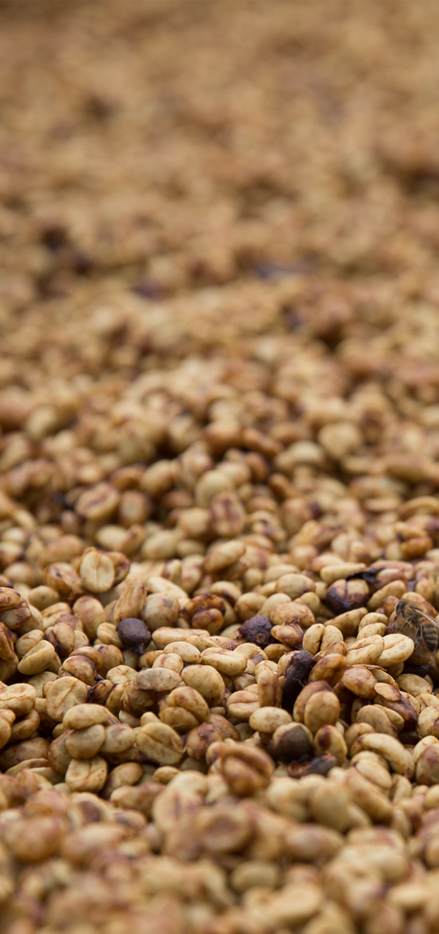
Sustainable Initiatives

Economic and environmental sustainability are important issues at every stage of the coffee supply chain.

We work with Caravela, who on top of paying farmers up front, have an on-the-ground team to work with farmers improving their farm yield and reduce carbon emissions.

We also work closely with Raw Material CIC, who reinvest all profits at origin.

52%

of our purchased coffee
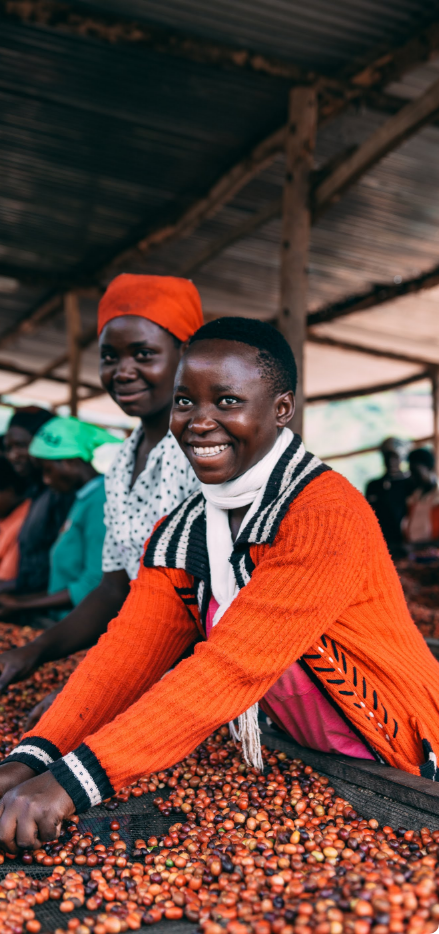
Female Economic Empowerment

We support the promotion of female coffee producers to improve gender equality in the industry. Women do most of the coffee field labour but rarely hold positions of power and we want to reset the balance.

We’ve built a relationship with Patricia Coelho, a female producer in Brazil, to create our house espresso blend, The Block. Now one of our bestsellers, the volume of coffee we’re purchasing from Patricia is helping her to invest resources into quality and processing to focus her efforts on the speciality market.

31%

of our purchased coffee