filter
Skip to product information
1 of 5

Equatoria Excelsa Honey

Equatoria Excelsa Honey

Regular price £14.25
Regular price Sale price £14.25
Sale Sold out
Tax included.
  • South Sudan

Marzipan, Honey, Malt

Equatoria Coffee is rebuilding South Sudan’s coffee industry from the ground up - literally. In Nzara and Yambio County, where most agriculture sits below 600 masl, Arabica won’t thrive. So Equatoria turned to Excelsa: a hardy, disease-resistant Liberica relative genetically linked to wild trees sampled in 1919. It’s rare, resilient, and tastes like nothing else.

We choose this coffee, because it represents what specialty coffee should be - climate-smart, community-first, and absolutely delicious. Equatoria provides 1,500 farmers with seedlings, training, and direct market access, bypassing exploitative middlemen. They’ve built boreholes, schools, and health centres. They pay fair wages. And they’re proving that coffee can grow where it ‘shouldn’t’.

This honey-processed lot gives Marzipan, Honey and Malt flavour notes. It’s a cup of quiet defiance - and a very good reason to pay attention to South Sudan.

Icon 1
Region
Nzara and Yambio County
Icon 2
Varietal
Excelsa
Icon 3
Altitude
600 masl
Icon 4
Producer
Equatoria
Icon 5
Process
Honey Process
Icon 6
Harvest
2025
View full details
filter
Skip to product information
1 of 5

ABOUT

This is our first time sourcing from South Sudan and working with Equatoria Coffee, a producer on a mission to revive a coffee industry that war tried to erase. We hope to build a long relationship with our new partners to supports a model that generates revenue for local communities in Nzara and Yambio County, turning coffee into both a cultural restoration project and a vital economic lifeline.

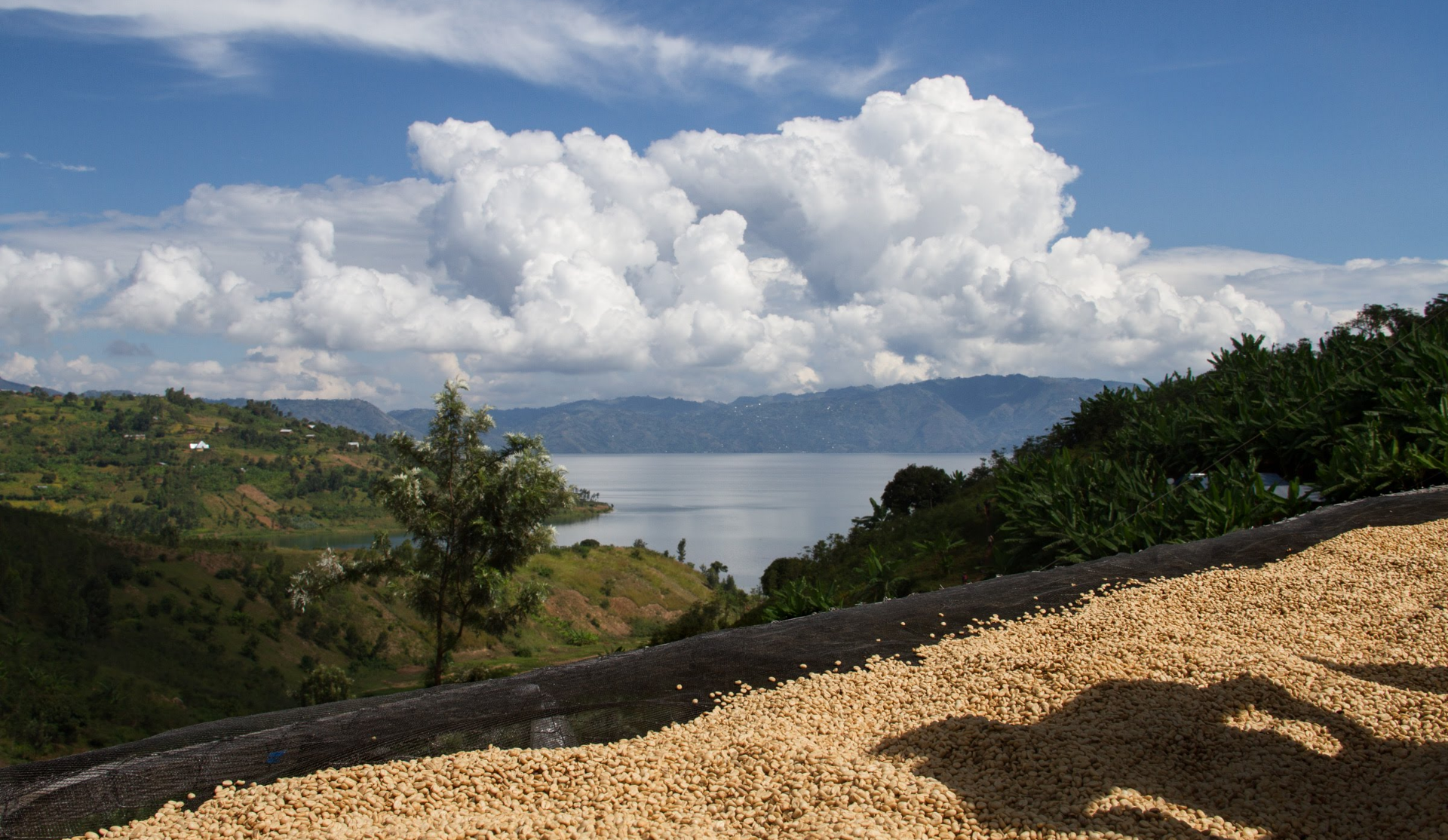
Nzara and Yambio sit lower than your typical Arabica paradise - just 600 metres above sea level. But rather than fight the land, Equatoria embraced it. They’ve chosen to cultivate Robusta and a far more mysterious gem: Excelsa. Genetically linked to wild coffee trees sampled all the way back in 1919, Excelsa isn’t just a curiosity, but a quiet revolution. It offers climate resilience, pest and disease resistance, and grows at the same altitudes as Robusta, all while tasting like nothing else on the cupping table.

Here’s the history: coffee thrived in Western Equatoria State decades ago, then the Second Sudanese Civil War in the 1980s tore through the region, destroying nearly everything. Recognising the land’s potential, Equatoria Coffee began planting again in 2018. Why? Because teak, their other agricultural pillar, takes 25 years to mature. But coffee? Coffee gives back after just three years. That means annual revenue for farmers who need stability now, not a generation away

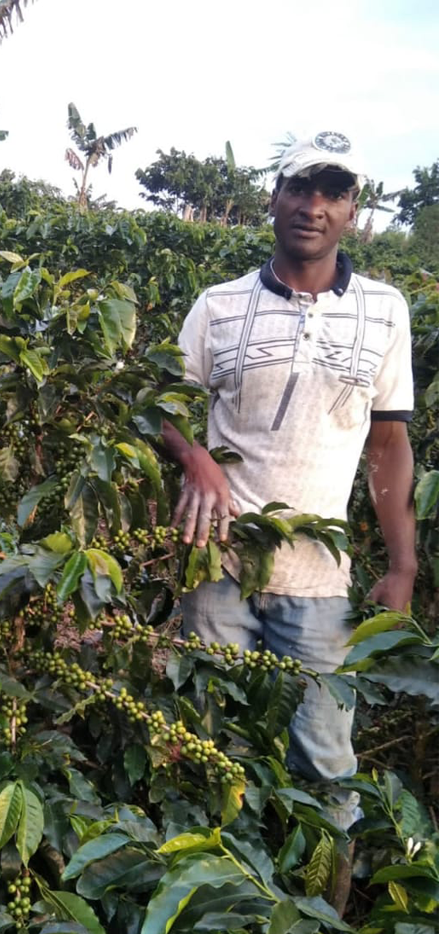
In 2020, the “Excelling in Excelsa” project launched, funded by the Sustainable Development Goals Partnership (SDGP). Its goal? To pull 1,500 smallholder farmers into the global coffee value chain. Today, Equatoria operates a washing station, a dry mill, and a 60-hectare plantation. They employ 70 permanent staff and 30 part-timers, and every farmer gets quality seedlings, technical training, and direct market access, with no middlemen bleeding them dry.

Genetic testing by the Royal Botanic Gardens, Kew, confirmed something extraordinary: Equatoria’s Excelsa is indigenous to South Sudan, with high genetic diversity that offers potential for even better coffee ahead. Between 2018 and 2023, they produced an average of 2 tons annually. At full capacity? That jumps to 500 tons.

But the real story is impact. Over 85% of Western Equatoria State relies on agriculture. Equatoria builds feeder roads, drills boreholes, and constructs schools and health centres. They pay fair wages, prioritise women and youth under 35, and encourage intercropping with groundnuts so farmers have multiple income streams.

For this lot, we’re tasting the future. While global warming threatens the production of Arabica Species, Excelsa shows so much potential as a high quality coffee that can flourish at lower altitutes with improved resiliance to pests and diseases. Expect Marzipan, Honey and malt notes in your cup. This is coffee that survived a war, and will survive global warming.

Brew Guide

BREW METHOD

Batch brew/V60

DOSE

DOSE

60g/30g

TIME

TIME

5-6 minutes/3-4 minutes

YIELD

YIELD

1L/500mL

METHOD

We recommend a pour over brewed at 92 degrees.
This coffee is versatile and can pull a really sweet shot as espresso. You can't go wrong with a recipe of 18g ,1:2 ratio in 30 seconds

LIVE TRANSPARENCY DATA

Green Price

£

0

/kg
?

Transport Cost

£

0

/kg
?

Production Cost

£

0

/kg
?

C-Market

£

0

/kg
?

Redemption Cost

£

0

/kg
?

Fair Trade

£

0

/kg
?

Lot Size

0

/kg
?

Sourcing Principles

0

/3
?

ETHICAL COFFEE SOURCING

Just like our approach to roasting and training, we source coffee in such a way that prioritises empowering people who are disadvantaged or disenfranchised.

Every sourcing decision is made intentionally in order to maximise the impact for the producers.
We focus these decisions around 3 main principles:

REHABILITATION

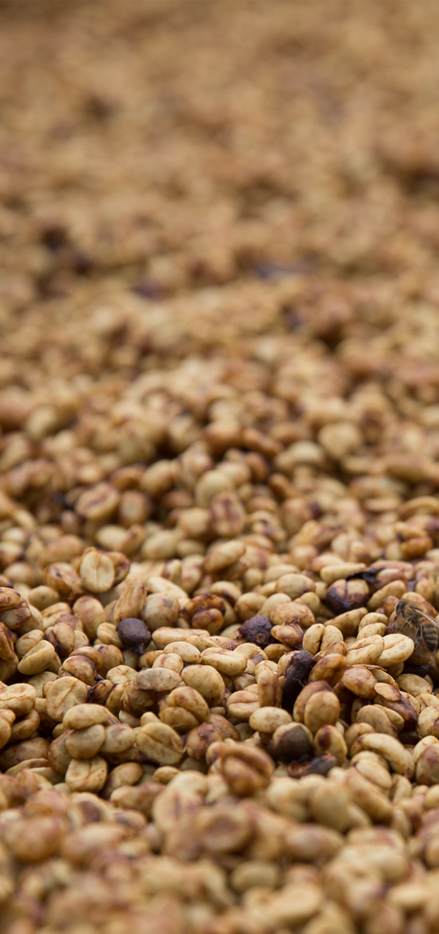
In line with our mission in the UK, we support the rehabilitation of coffee producers previously involved in conflict, crime or the drug trade. We’ve been working with a project in Colombia which supports farmers who were previously members of paramilitary groups, and want to move away from growing illegal plants for the drugs industry and instead produce coffee. This allows them to have a steady, sustainable income which provides for their family and creates stability within their community.

12%

of our purchased coffee
Sustainable Initiatives

Economic and environmental sustainability are important issues at every stage of the coffee supply chain.

We work with Caravela, who on top of paying farmers up front, have an on-the-ground team to work with farmers improving their farm yield and reduce carbon emissions.

We also work closely with Raw Material CIC, who reinvest all profits at origin.

54%

of our purchased coffee
Female Economic Empowerment

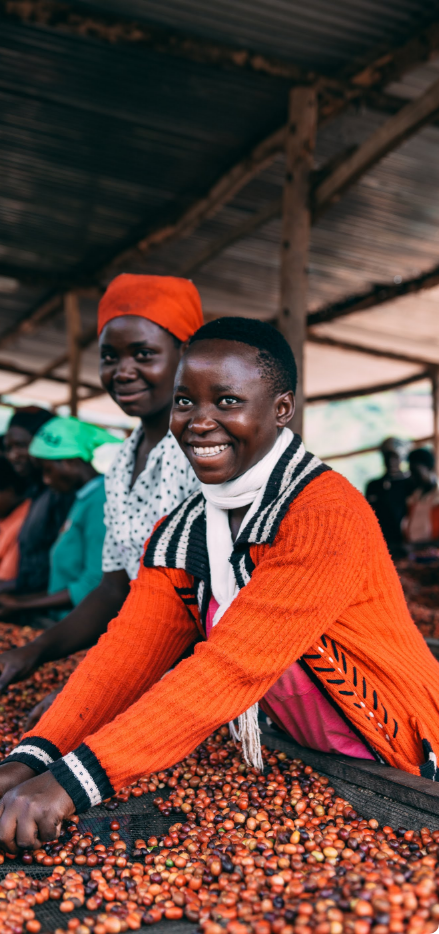
We support the promotion of female coffee producers to improve gender equality in the industry. In an industry where women do most of the labour but rarely hold positions of power, we want to help reset the balance. We’ve built a relationship with Patricia Coelho, a female producer in The Pinhal Region in Brazil, to create our house espresso blend, The Block. We now do a lot of business with Patrica, giving her the capital to invest in producing better and better coffee and thereby access the speciality market. 2023 marks our third year working with Patricia.

31%

of our purchased coffee