filter
Skip to product information
1 of 4

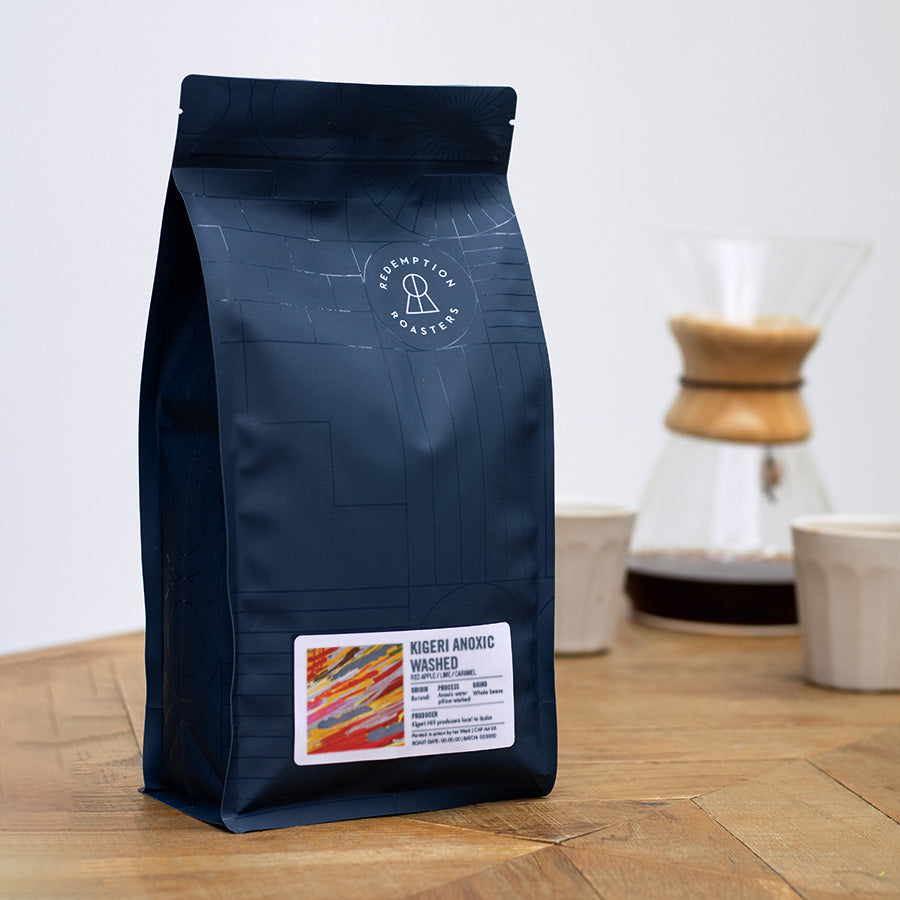
Kigeri Anoxic Washed

Kigeri Anoxic Washed

Regular price £15.25
Regular price Sale price £15.25
Sale Sold out
Tax included.
  • Burundi

Red Apple, Lime, Caramel

Bright and lively, this lot from Kigeri hill producers and processed at Izuba Washing Station in Kayanza, Burundi, bursts with Red apple,Lime and caramel notes. Carefully processed using an anoxic fermentation, it delivers exceptional clarity and complexity.

Icon 1
Region
Runinya, Kayanza Province
Icon 2
Varietal
Red Bourbon
Icon 3
Altitude
1500 - 1700 masl
Icon 4
Producer
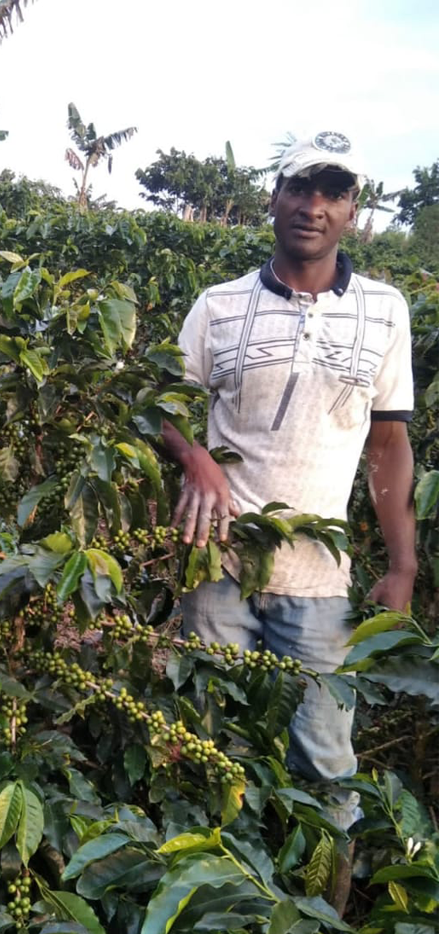
Kigeri Hill Producers local to Izuba Community Washing Station
Icon 5
Process
Anoxic Water Pillow Washed
Icon 6
Harvest
25/26
%3Cp%3EEarn%20[points_amount]%20when%20you%20buy%20this%20item.%3C/p%3E
View full details
filter
Skip to product information
1 of 4

ABOUT

This is our fifth year purchasing coffee from the Izuba Community Washing Station. Sustained, long term commitment is crucial for sustainability in the supply chain.

Kigeri, Ryamukona, and Mugoyi are the three hills surrounding Izuba, and the three areas in which coffee is collected or delivered from - and this year we've been able to secure Lots from 2 Hillsides (Kigeri/Mugoyi) processed in two different ways.

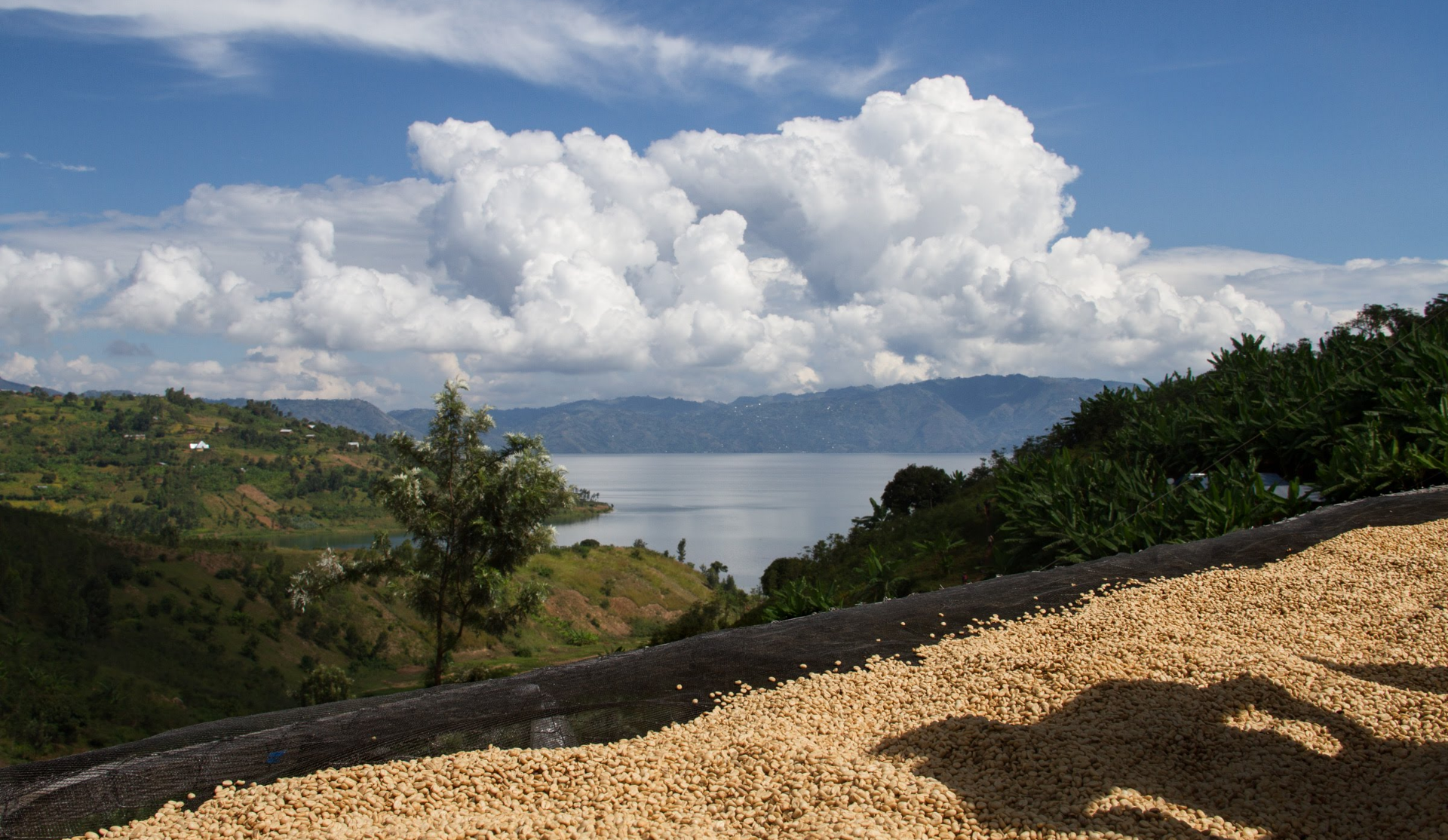
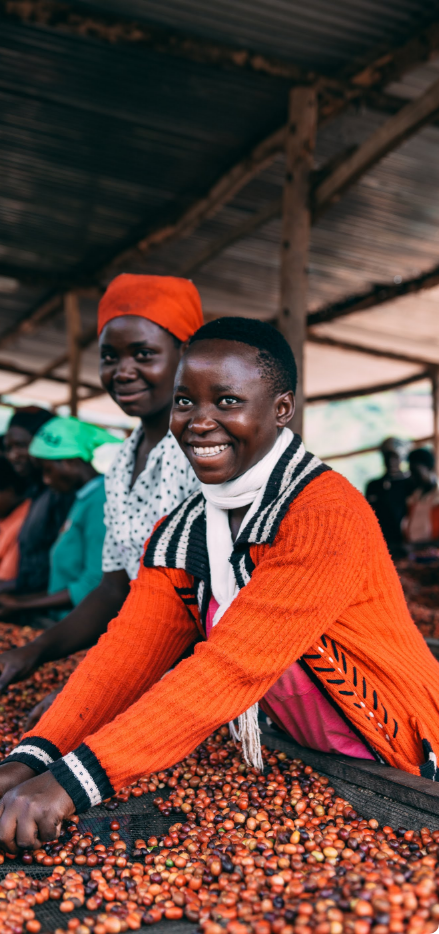
Izuba, meaning “sun” in Kirundi, is located in Runinya, Kabarore Commune, of Kayanza Province. The Izuba washing station is set close to a nearby river, which provides a vital and regular freshwater source for coffee processing, and nearby to the Kibira national park, where the soil and climate are paired well for fantastic coffee production.The station aims to provide premiums where possible to not only the farmers but the station staff also. The employees were paid 25% higher than other local washing stations and 33% more than the national average salary. Producers are paid for cherries on two set payment dates in the year, which are also set by the government. The first is usually in April, very early in the harvest, and the second at the end of the harvest. Farmers essentially choose which station they will sell to that year through the first payment then deliver there for the whole season. At the end of the season third payments are made based on the quality and final sale price of the coffee. Making these three payments on time is a key concern for producers and one of Izuba's primary goals in supporting producers.

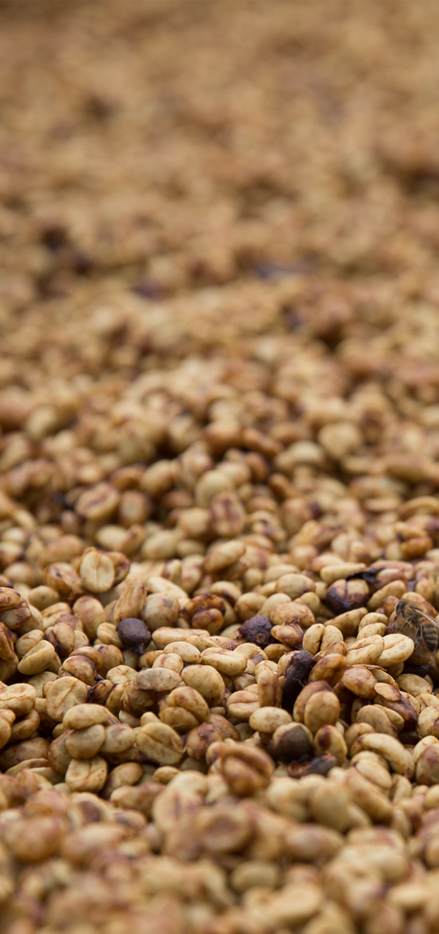
All cherry is hand-sorted before a pre-pulp float, where any under ripe or damaged cherry is removed. The selected cherry is now pulped in preparation for fermentation, where the coffee is placed into a deep cleaned fermentation tank and hermetically sealed. Fresh cool water is then poured on top of sealed coffee, and a vaccum seal is created, generating an anoxic environment for fermentation to begin. This process lasts between 48 and 72 hours. The water and sheet act as not only a sealant, but a heat exchange, allowing the heat build up to transfer to the water, and evaporate. A stabilised temperature of around 25 degrees celsius ensures that the cherry doesn’t over ferment.

Once the fermentation is complete, the water is drained, and the sheet is removed. The now fermented coffee is thoroughly washed and sun dried on raised beds for between 25 and 30 days. The result is a bright, clean cup showcasing dynamic acidity and depth, with notes of red apple, lime, and caramel.

Brew Guide

BREW METHOD

Batch brew/V60

DOSE

DOSE

60g/30g

TIME

TIME

5-6 mins/3-4 mins

YIELD

YIELD

1L/500ml

METHOD

We recommend a pour over brewed at 92 degrees.

LIVE TRANSPARENCY DATA

Green Price

£

0

/kg
?

Transport Cost

£

0

/kg
?

Production Cost

£

0

/kg
?

C-Market

£

0

/kg
?

Redemption Cost

£

0

/kg
?

Fair Trade

£

0

/kg
?

Lot Size

0

/kg
?

Sourcing Principles

0

/3
?

ETHICAL COFFEE SOURCING

Just like our approach to roasting and training, we source coffee in such a way that prioritises empowering people who are disadvantaged or disenfranchised.

Every sourcing decision is made intentionally in order to maximise the impact for the producers.
We focus these decisions around 3 main principles:

REHABILITATION

In line with our mission in the UK, we support the rehabilitation of coffee producers previously involved in conflict, crime or the drug trade. We’ve been working with a project in Colombia which supports farmers who were previously members of paramilitary groups, and want to move away from growing illegal plants for the drugs industry and instead produce coffee. This allows them to have a steady, sustainable income which provides for their family and creates stability within their community.

12%

of our purchased coffee
Sustainable Initiatives

Economic and environmental sustainability are important issues at every stage of the coffee supply chain.

We work with Caravela, who on top of paying farmers up front, have an on-the-ground team to work with farmers improving their farm yield and reduce carbon emissions.

We also work closely with Raw Material CIC, who reinvest all profits at origin.

54%

of our purchased coffee
Female Economic Empowerment

We support the promotion of female coffee producers to improve gender equality in the industry. In an industry where women do most of the labour but rarely hold positions of power, we want to help reset the balance. We’ve built a relationship with Patricia Coelho, a female producer in The Pinhal Region in Brazil, to create our house espresso blend, The Block. We now do a lot of business with Patrica, giving her the capital to invest in producing better and better coffee and thereby access the speciality market. 2023 marks our third year working with Patricia.

31%

of our purchased coffee