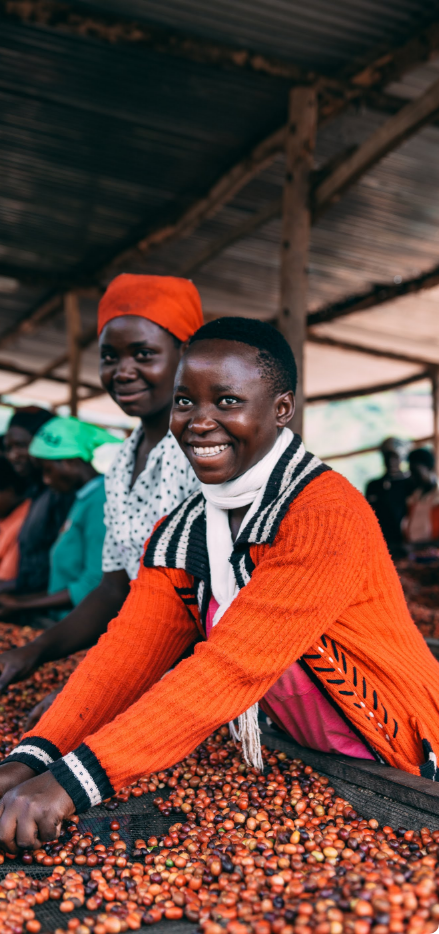
There's a coffee estate in northern Tanzania where elephants have right of way. Not through the coffee trees, but across an 8-hectare wildlife corridor that cuts through the farm, giving animals access to migration paths and mineral-rich caves they've used for generations. Ngila Estate farm is a prime example of Redemption Roasters' sustainable initiatives sourcing pillar, and the coffee it produces is the product of an organisation that works in cohesion with its environment.
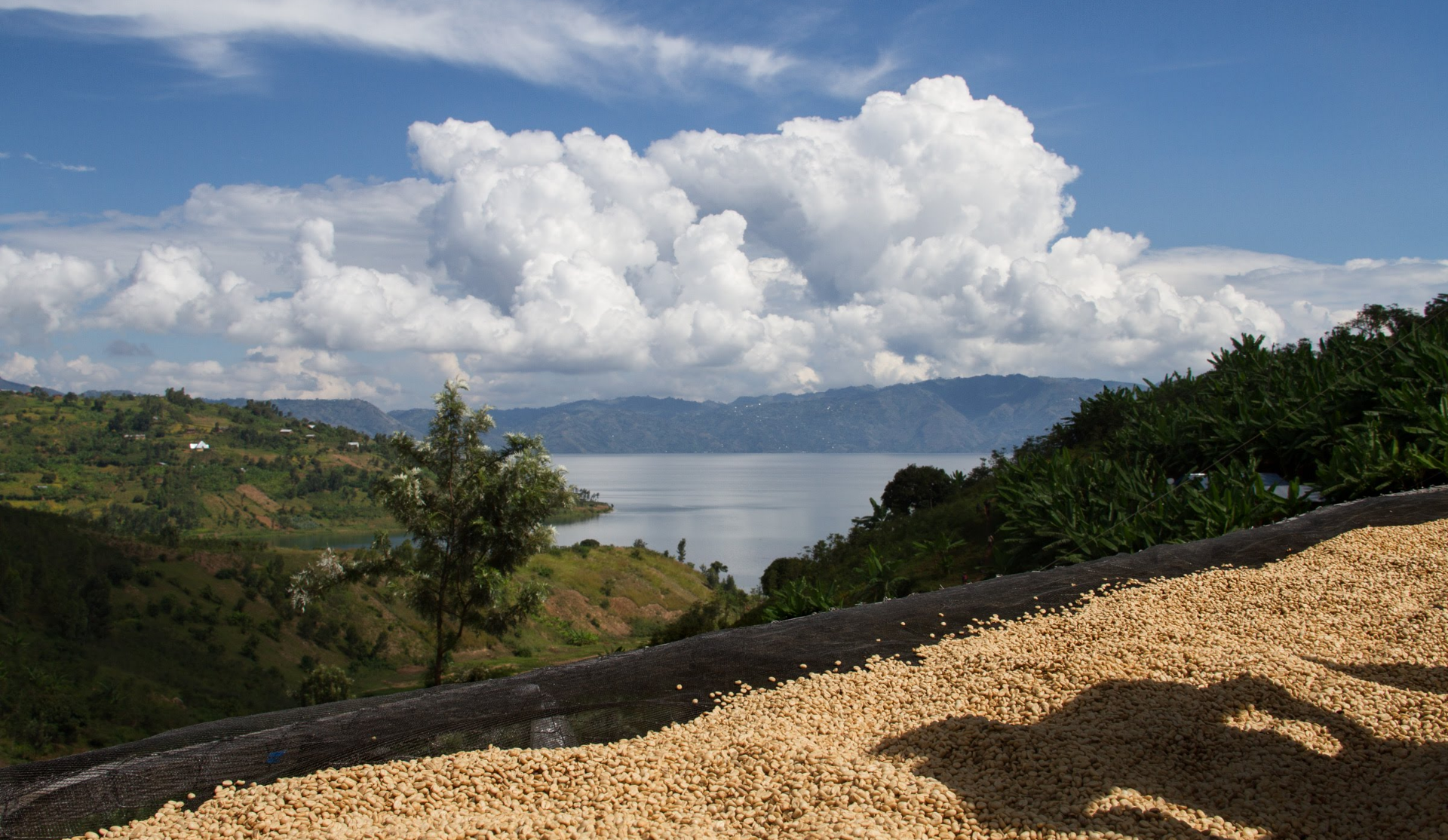
Perched at 1,500 to 1,600 metres above sea level, Ngila occupies roughly 100 hectares of land, bordering a 50-hectare forest corridor. With the Ngila River runing along its edge, leopards, antelope, wild boar, and dik-diks roam freely between the coffee trees, and the farm works around them.
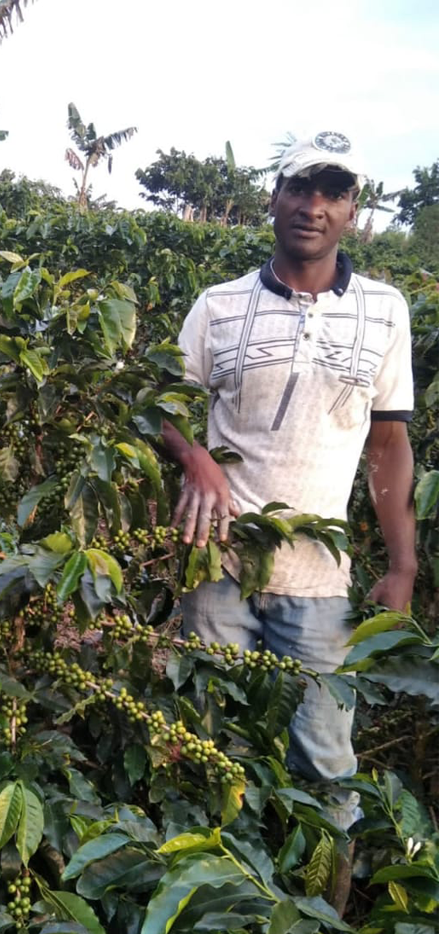
Vera Stücker, an electrical engineer by training, runs the estate with an an engineer's precision to sustainability and an experienced local team, many of whom have worked at Ngila for over 30 years. The farm is Rainforest Alliance Certified, and a testament to the sustainable practices that act as the blueprints to all farm processes. 4,000 to 5,000 indigenous trees have been planted every year since 2004, combating erosion and rebuilding the forest canopy. Along the Ngila River, Vera has acquired and reforested vulnerable land, working with local farmers through a plot-leasing programme that encourages conservation practices. In recent years, Ngila has introduced biochar production in collaboration with ReyCoal, improving long-term soil health while sequestering carbon.
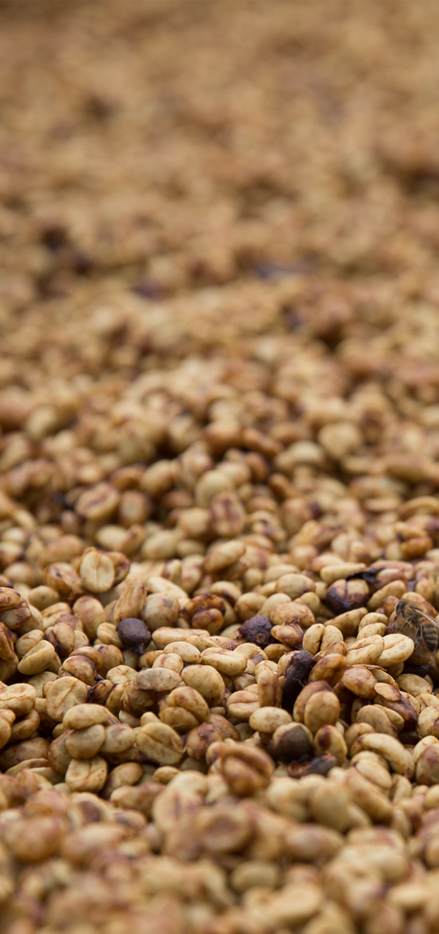
This lot is 100% Kent, and undergoes Red Honey processing, which is a combination that plays to the strengths of both the variety and the method. Kent, originally developed in India from Typica stock, was selected for its disease resistance and clean cup profile. In a Red Honey process, the cherry skin is removed but a generous layer of mucilage is left on the parchment during drying. That mucilage caramelises slowly under the sun, infusing the bean with body and sweetness while keeping the acidity present and bright. Hand-picked at peak ripeness, the cherry is pulped and then sun-dried on African raised beds, raked frequently to ensure even drying without mechanical dryers. Water-efficient pulping equipment reduces the farm's footprint at every stage. While it's a careful balancing act, Ngila gets it right, and the result is a vibrant blend of blood orange, golden raisins, and pomegranate. The citrus is bright but rounded, the golden raisins bring a mellow, honeyed sweetness, and the pomegranate adds a clean, juicy tang that keeps everything lifted. The finish is a testament to the Red Honey process, which gives the body a syrupy weight that carries those fruit notes long into the finish.
During harvest, the estate employs over 250 workers, adding to the 100 permanent staff who form the backbone of Ngila's operations. Wages exceed the government minimum, while workers receive healthcare support, retirement fund contributions, health insurance, and assistance with school fees. The estate also trains workers and surrounding smallholders in safe chemical handling and promotes organic fertiliser use. Since 2005, Ngila has partnered with coffee roasters to support the nearby Sumawe primary school, through implementation of solar panels, a grid connection, roof gutters, water tanks, books, desks - cementing Ngila Estate farm as more than production, but also as a wider figure in supporting the community.
Our Ngila Estate coffee represents one of our three sourcing pillars, sustainable initiatives.